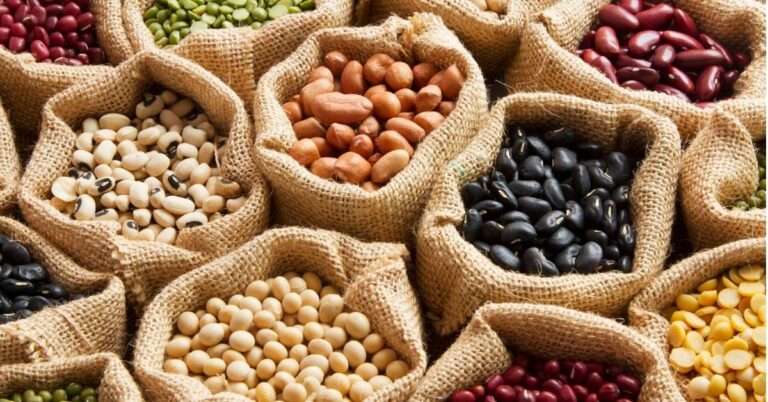

You don’t need expensive superfoods, strict diets, or complicated meal plans to nourish your body.
A healthy, balanced diet starts with everyday foods, such as vegetables, fruits, whole grains, beans, nuts, seeds, and other nutritious ingredients.
The way you combine these foods matters, too. Eating a variety of foods helps your body get the nutrients it needs to support energy, digestion, muscle function, and overall health.
But building healthy eating habits can feel confusing, especially when you hear different advice about what you should and shouldn’t eat.
In this guide, you’ll learn what a balanced diet means, which foods to include, how to build nutritious meals, and how to make healthy eating easier in your everyday life.
What Is a Balanced Diet?
A balanced diet means eating a variety of foods that provide the nutrients your body needs to function properly.
Your body needs carbohydrates, protein, fats, vitamins, minerals, fiber, and water. Different foods provide different combinations of these nutrients, which is why variety is so important.
For example, vegetables and fruits provide fiber, vitamins, and minerals. Whole grains supply carbohydrates for energy, along with fiber and other nutrients. Beans, lentils, eggs, and other protein-rich foods help your body maintain and repair tissues.
Healthy fats also play an important role in the body, including helping you absorb certain vitamins.
The goal isn’t to eat every nutrient in exact amounts at every meal. Instead, focus on creating a varied eating pattern over time.
What Does Nutrition Balance Look Like?
Nutrition balance involves choosing foods that complement one another and provide a range of nutrients.
For example, a meal of roasted potatoes and vegetables provides carbohydrates, fiber, and several vitamins and minerals.
Adding lentil patties makes the meal more complete by providing an additional source of protein, iron, and fiber.
Another example is a bowl of oatmeal topped with berries, walnuts, and fortified soy yogurt. This combination provides carbohydrates, fiber, fats, and protein.
You don’t need to calculate every nutrient to make balanced choices.
A useful starting point is to ask yourself:
- Does my meal include vegetables or fruit?
- Have I included a source of protein?
- Is there a source of carbohydrates, preferably rich in fiber?
- Does the meal contain some healthy fats?
Not every meal needs to follow the same formula. What matters is the overall variety and quality of your diet.
The Main Food Groups
Understanding the main food groups makes healthy eating easier because it helps you choose ingredients based on what they provide.
Each group contributes something different to your diet.
1. Vegetables and Fruits
Vegetables and fruits provide vitamins, minerals, fiber, water, and beneficial plant compounds.
Eating a variety of colors and types helps you obtain different nutrients.
Here’s what some common choices provide:
- Bananas: Provide potassium, a mineral that helps your muscles and nerves function properly.
- Spinach and kale: Rich in vitamin K, which supports normal blood clotting, and folate, which helps your body make new cells.
- Carrots and sweet potatoes: Contain beta-carotene, which your body can convert into vitamin A to support normal vision and immune function.
- Bell peppers and oranges: Provide vitamin C, which supports immune function and helps your body absorb iron from plant foods.
- Berries: Provide fiber and plant compounds called polyphenols. Fiber supports digestion, while polyphenols are being studied for their potential health benefits.
Fresh produce is a good choice, but frozen and canned vegetables and fruits can also be nutritious.
Choose canned vegetables with little or no added salt when possible, and fruits packed in water or their own juice rather than syrup.
Simple habit: Try adding one extra serving of vegetables or fruit to a meal you already enjoy.
2. Whole Grains and Other Carbohydrate-Rich Foods
Carbohydrates are your body’s main source of energy. They help fuel your brain, muscles, and daily activities.
However, not all carbohydrate-rich foods provide the same nutrients.
- Whole grains, such as oats, brown rice, quinoa, and whole-wheat bread, contain fiber, vitamins, and minerals. Fiber supports digestion and helps you feel full for longer.
- Refined grains, such as white bread and white rice, usually contain less fiber because parts of the original grain are removed during processing.
Both can fit into a balanced diet, but choosing whole grains more often helps you get more fiber and other nutrients.
How much should you eat?
For lunch and dinner, a simple guide is to fill about one-quarter of your plate with whole grains or other starchy foods, such as rice, potatoes, or pasta.
- Choose whole-wheat bread instead of white bread more often.
- Add oats, quinoa, or brown rice to your weekly meals.
- Combine rice or potatoes with vegetables and a protein source.
- Check bread labels for whole grains listed among the first ingredients.
Practical tip: You don’t need to avoid potatoes, pasta, or white rice. Focus on variety, choose fiber-rich foods regularly, and combine carbohydrates with protein, vegetables, and healthy fats for balanced meals.
3. Protein-Rich Foods
Protein helps your body maintain muscles, repair tissues, and produce important enzymes and hormones. It also helps you feel full after meals.
Most healthy adults need about 0.8 grams of protein per kilogram of body weight daily. For example, a person weighing 60 kg needs approximately 48 grams per day. Individual needs may vary.
Good protein sources include:
- Plant-based: Lentils, beans, chickpeas, tofu, nuts, and seeds.
- Animal-based: Eggs, fish, poultry, and dairy products.
How to include protein in your meals?
- Breakfast: Eggs, Greek yogurt, or soy yogurt with oats.
- Lunch: Chickpea salad, lentil soup, or tofu with vegetables.
- Dinner: Mushroom and lentil patties with roasted potatoes and salad.
- Snacks: Hummus, nuts, or yogurt.
Practical tip: Include a protein source in your main meals. If you follow a plant-based diet, eat a variety of protein-rich foods throughout the day to get all the essential amino acids your body needs.
4. Healthy Fats
Dietary fat is essential for several body functions.
It helps your body absorb vitamins A, D, E, and K, provides energy, and supplies essential fatty acids.
Foods rich in unsaturated fats include:
- Extra virgin olive oil
- Avocados
- Walnuts
- Almonds
- Chia seeds
- Flaxseeds
- Pumpkin seeds
- Fatty fish
You don’t need large quantities to benefit from including these foods in your diet.
For example, add walnuts to oatmeal, sprinkle pumpkin seeds over a salad, or use olive oil when preparing vegetables.
Choose unsaturated fats more often than foods high in saturated fat, while keeping overall portions appropriate for your needs.
5. Dairy Foods and Fortified Alternatives
Milk and yogurt provide calcium and protein, while some products also contain vitamin D and vitamin B12. These nutrients help maintain strong bones, healthy muscles, and normal nerve function.
You don’t need to consume dairy to have a balanced diet, but you should get these nutrients from other foods.
If you prefer plant-based alternatives:
- Fortified soy milk: Usually provides more protein than almond or oat milk.
- Fortified almond or oat milk: Can provide calcium and vitamins, but usually contain less protein.
- Calcium-set tofu and leafy greens: Can help you meet your calcium needs.
Practical tip: When buying plant-based milk or yogurt, choose unsweetened options fortified with calcium, vitamin D, and vitamin B12 when available. Check the nutrition label, as nutrient levels vary between brands.
How to Build a Healthy, Balanced Plate
One of the easiest ways to put healthy eating habits into practice is to use the balanced plate method.
This approach helps you combine different food groups without counting calories or weighing every ingredient.
For many lunches and dinners, you can use the following proportions as a starting point.
Fill Half Your Plate With Vegetables and Fruits
Aim to fill about half your plate with vegetables and fruits, choosing mostly vegetables for lunch and dinner.
Include different colors throughout the week, as they provide different vitamins, minerals, and beneficial plant compounds.
For example:
- Breakfast: Add berries or a banana to oatmeal.
- Lunch: Serve a fresh tomato, cucumber, and carrot salad alongside your main dish.
- Dinner: Fill half your plate with roasted broccoli, carrots, or other seasonal vegetables.
Fresh, frozen, and canned vegetables can all be nutritious choices. Enjoy them raw, steamed, roasted, or added to soups and stews.
Practical tip: You don’t need several vegetables at every meal. Start with one or two you enjoy and vary your choices throughout the week.
Fill One-Quarter With Protein-Rich Foods
Choose a source of protein that suits your preferences.
For example:
- Lentil patties
- Chickpeas
- Black beans
- Tofu
- Eggs
- Fish or lean poultry
Fill One-Quarter With Whole Grains or Other Starchy Foods
Examples include:
- Brown rice
- Quinoa
- Whole-grain pasta
- Potatoes
- Sweet potatoes
- Whole-grain bread
Add a moderate amount of healthy fats, such as olive oil, avocado, or seeds.
These proportions are a flexible guide, not a requirement for every meal. Mixed dishes, such as soups, stews, and casseroles, can also provide a balanced combination of foods.
Example of a Balanced Dinner
Imagine preparing a plate with:
- Oven-roasted potatoes
- Homemade mushroom and lentil patties
- A fresh salad with tomatoes, cucumbers, and leafy greens
- A little olive oil and lemon juice for dressing
This meal combines carbohydrates, protein, fiber, fats, and a variety of vitamins and minerals.
It’s also made from simple ingredients that are easy to find in most grocery stores.
How to Choose Nutritious Ingredients for Everyday Meals
Healthy eating starts with the ingredients you keep in your kitchen.
You don’t need a pantry full of specialty foods. Many affordable, familiar ingredients can help you prepare nutritious meals.
Choose Whole or Minimally Processed Foods More Often
Whole and minimally processed foods are useful foundations for a balanced diet.
Examples include vegetables, fruits, oats, lentils, beans, eggs, plain yogurt, nuts, and seeds.
However, not all processed foods are unhealthy.
Frozen vegetables, canned beans, whole-grain bread, fortified plant milk, and canned tomatoes can be convenient and nutritious choices.
Rather than judging foods only by how processed they are, consider their overall nutritional value.
Read Food Labels When Shopping
Nutrition labels can help you compare similar products.
Pay attention to:
- Fiber: Whole-grain and legume-based foods often provide more fiber.
- Added sugar: Compare breakfast cereals, granola, flavored yogurt, and packaged snacks.
- Sodium: Check canned soups, sauces, and ready-made meals.
- Saturated fat: Compare products you eat frequently.
- Protein: Especially useful when choosing plant-based milk, yogurt, or meat alternatives.
You don’t need to examine every product you buy. Start with foods you eat regularly.
Keep Nutritious Pantry Staples Available
A well-stocked pantry can make preparing healthy meals much easier.
Useful staples include:
| Food category | Ingredients to keep at home |
|---|---|
| Whole grains | Oats, brown rice, quinoa, whole-grain pasta |
| Legumes | Lentils, chickpeas, black beans, white beans |
| Vegetables | Carrots, onions, potatoes, frozen spinach |
| Fruits | Apples, bananas, seasonal fruit, frozen berries |
| Nuts and seeds | Walnuts, almonds, chia, flaxseed |
| Healthy fats | Olive oil, nut butter |
| Flavorings | Garlic, paprika, cinnamon, herbs, lemon juice |
These ingredients can be combined in different ways to prepare breakfasts, soups, salads, grain bowls, and simple dinners.
Simple Healthy Meal Ideas for Every Day
Building a balanced diet becomes easier when you have a few simple recipes to rely on. Here are some homemade meal ideas you can try for breakfast, lunch, dinner, and snacks.
Healthy Breakfast Ideas
Start your morning with a combination of whole grains, protein, fruit, and healthy fats.
1. Homemade Granola With Yogurt and Berries
Try my healthy homemade granola recipe, made with oats, nuts, and seeds. Serve it with unsweetened soy yogurt and fresh berries for a nutritious breakfast.
2. Overnight Oats With Chia Seeds
My overnight oats recipe is a convenient make-ahead breakfast. Add fruit, chia seeds, and a protein-rich topping to make it more balanced.
3. Mini Quiches With Vegetables
These crustless mini quiches are made with eggs and vegetables. Serve them with whole-grain toast and fresh tomatoes for a simple breakfast.
4. Peanut Butter and Banana Toast
Spread natural peanut butter over whole-grain toast and add banana slices. It’s a quick breakfast that requires little preparation.
Balanced Lunch Ideas
For lunch, combine vegetables with protein-rich foods and whole grains or other starchy foods.
1. Mushroom and Lentil Patties With Roasted Vegetables
Try my mushroom and lentil patties recipe with roasted potatoes and a fresh salad. It’s a flavorful plant-based meal made with simple ingredients.
2. Chickpea and Vegetable Salad
Combine chickpeas, cucumber, tomatoes, red onion, and olive oil. Serve with whole-grain bread or quinoa for a filling lunch.
3. Homemade Vegetable Soup
My homemade vegetable soup is an easy way to include more vegetables in your diet. Add beans or lentils for extra protein and fiber.
4. Hummus and Vegetable Wrap
Spread homemade hummus over a whole-wheat tortilla and add fresh vegetables. Include tofu or another protein source for a more substantial meal.
Easy Healthy Dinner Ideas
Simple homemade dinners can provide a variety of nutrients without requiring complicated cooking methods.
1. One-Pot Red Lentil Soup
My easy red lentil soup recipe combines lentils, vegetables, and spices in one pot. Serve with whole-grain bread and a side of vegetables.
2. Vegan Black Bean Soup
Try my vegan black bean soup recipe for a hearty meal rich in plant-based protein and fiber.
3. Homemade Vegan Lasagna
My homemade vegan lasagna is a comforting dinner option. Pair it with a fresh green salad for additional vegetables.
4. Roasted Vegetables With Quinoa and Chickpeas
Combine roasted seasonal vegetables with cooked quinoa, chickpeas, and a simple lemon dressing for an easy plant-based dinner.
Healthy Snack Ideas
Snacks can help satisfy hunger between meals. Choose simple options that provide fiber, protein, or healthy fats.
Some ideas include:
- Apple slices with peanut butter.
- Carrot sticks with homemade hummus.
- Unsweetened yogurt with berries.
- A handful of nuts with fresh fruit.
- Whole-grain crackers with hummus.
For something sweet, you can also try my vegan peanut butter chocolate chip cookies, made with oat flour, peanut butter, and dark chocolate chips.
A balanced diet can include both nutritious everyday foods and occasional sweet treats.
How to Plan Healthy Meals Without Complicated Rules
Meal planning can make healthy eating easier, especially during busy weeks.
It can also help reduce food waste, simplify grocery shopping, and make home cooking more manageable.
You don’t need to prepare every meal in advance.
Start with a few simple habits.
1. Choose a Few Meals for the Week
Instead of planning seven completely different dinners, choose three or four main recipes.
For example:
- Monday: Red lentil soup
- Tuesday: Mushroom and lentil patties with vegetables
- Wednesday: Chickpea salad with whole-grain bread
- Thursday: Vegan lasagna
You can use leftovers for lunch or repeat meals later in the week.
2. Build Meals Around Ingredients You Already Have
Before shopping, check your refrigerator, freezer, and pantry.
If you have lentils, carrots, and onions, you may already have most of the ingredients for a homemade soup.
If you have oats, nuts, and seeds, you can prepare granola or overnight oats.
This approach makes meal planning more affordable and reduces unnecessary purchases.
3. Prepare a Few Ingredients Ahead of Time
Prepare Ingredients Ahead of Time
You don’t need to cook every meal in advance. Preparing a few basic ingredients can make healthy cooking faster and easier during busy weekdays.
Set aside 30–60 minutes once or twice a week to prepare ingredients you can use in different meals.
For example:
- Cook lentils or beans: Add them to salads, soups, grain bowls, or homemade vegetable patties.
- Wash and chop vegetables: Keep carrots, bell peppers, and other suitable vegetables ready for salads, stir-fries, and quick snacks.
- Cook rice or quinoa: Use them as a base for vegetable bowls or serve them alongside your favorite main dishes.
- Prepare homemade hummus: Keep it available for sandwiches, vegetable wraps, or snacks.
- Prepare breakfast ingredients: Portion oats, nuts, and seeds into containers so you can quickly make oatmeal or overnight oats.
How to Store Prepared Ingredients Safely
- Refrigerate cooked foods promptly, ideally within two hours, in shallow, covered containers.
- Keep your refrigerator at 4°C (40°F) or below.
- Use most cooked leftovers within 3–4 days, or freeze them for later.
- Refrigerate cooked rice promptly, preferably within one hour, and use it within 24 hours or freeze it in portions. Reheat thoroughly and avoid reheating it repeatedly.
- Keep washed vegetables in clean containers and use them before they lose freshness or show signs of spoilage.
Practical tip: Choose two or three ingredients that work in several recipes. For example, cooked chickpeas can become a salad, hummus, or a quick vegetable bowl, helping you prepare different meals without starting from scratch each time.
4. Keep Easy Backup Meals Available
Some days you may not have the time or energy to cook.
Keeping a few nutritious ingredients available can make these days easier.
For example, frozen vegetables, canned chickpeas, whole-grain pasta, and tomato sauce can become a quick dinner.
A balanced meal doesn’t need to be made entirely from scratch.
Common Mistakes to Avoid When Building a Balanced Diet
When trying to improve their eating habits, people sometimes adopt unnecessary restrictions or focus too heavily on individual nutrients.
Here are a few common misunderstandings.
Avoiding All Carbohydrates
Carbohydrates are an important source of energy.
Whole grains, fruits, beans, and vegetables provide carbohydrates along with valuable nutrients.
Rather than eliminating them, focus on choosing nutritious carbohydrate sources.
Assuming Healthy Food Must Be Expensive
Nutritious meals can be made with affordable ingredients such as oats, lentils, beans, potatoes, carrots, and seasonal vegetables.
Frozen produce and canned legumes can also be practical choices.
Eating Too Little Variety
Eating the same few foods every day can limit the range of nutrients in your diet.
Try rotating vegetables, fruits, grains, and protein sources.
Following Too Many Food Rules
Strict rules can make eating more stressful and difficult to maintain.
A balanced approach allows you to enjoy a wide range of foods while prioritizing nutritious choices.
Focusing on Individual Superfoods
No single food can provide everything your body needs.
Chia seeds, berries, and leafy greens can be nutritious additions, but they work best as part of a varied diet.
Frequently Asked Questions About Healthy Eating
What Is the Easiest Way to Start Eating a Balanced Diet?
Start by improving meals you already enjoy.
Add vegetables or fruit, include a source of protein, and choose whole grains more often.
Small changes can be easier to maintain than completely changing your diet.
What Should I Eat Every Day for a Balanced Diet?
Aim to include a variety of vegetables, fruits, whole grains, protein-rich foods, and sources of healthy fats.
Also pay attention to calcium-rich foods and adequate hydration.
The exact amounts depend on your individual nutritional needs.
Can I Eat a Balanced Diet Without Meat?
Yes. A well-planned vegetarian diet can provide the nutrients your body needs.
Include a variety of legumes, soy foods, whole grains, nuts, seeds, and other suitable protein sources.
Pay particular attention to nutrients such as vitamin B12, iron, calcium, iodine, and vitamin D, depending on which animal products you exclude.
Do I Need to Count Calories to Eat Healthily?
Not necessarily.
Many people can improve their diet by focusing on food variety, balanced meals, appropriate portions, and their hunger and fullness cues.
Calorie tracking may be useful in certain situations, but it isn’t required for everyone.
Is It Okay to Eat the Same Breakfast Every Day?
Yes, provided your overall diet remains varied and meets your nutritional needs.
For example, you might enjoy oatmeal most mornings while changing the fruits, nuts, seeds, and protein-rich toppings.
Can I Eat Dessert and Still Have a Healthy Diet?
Yes. Desserts can fit into a balanced eating pattern.
What matters most is your overall diet, including how frequently you eat different foods and the portions that suit your needs.
Healthy Eating Is About Balance, Not Perfection
Building a balanced begins with understanding what your body needs and making practical food choices that fit your everyday life.
Choose a variety of vegetables and fruits, include protein-rich foods, enjoy whole grains, and add sources of healthy fats.
Plan simple meals when possible, keep nutritious ingredients available, and allow yourself flexibility.
Most importantly, remember that healthy eating habits develop over time.