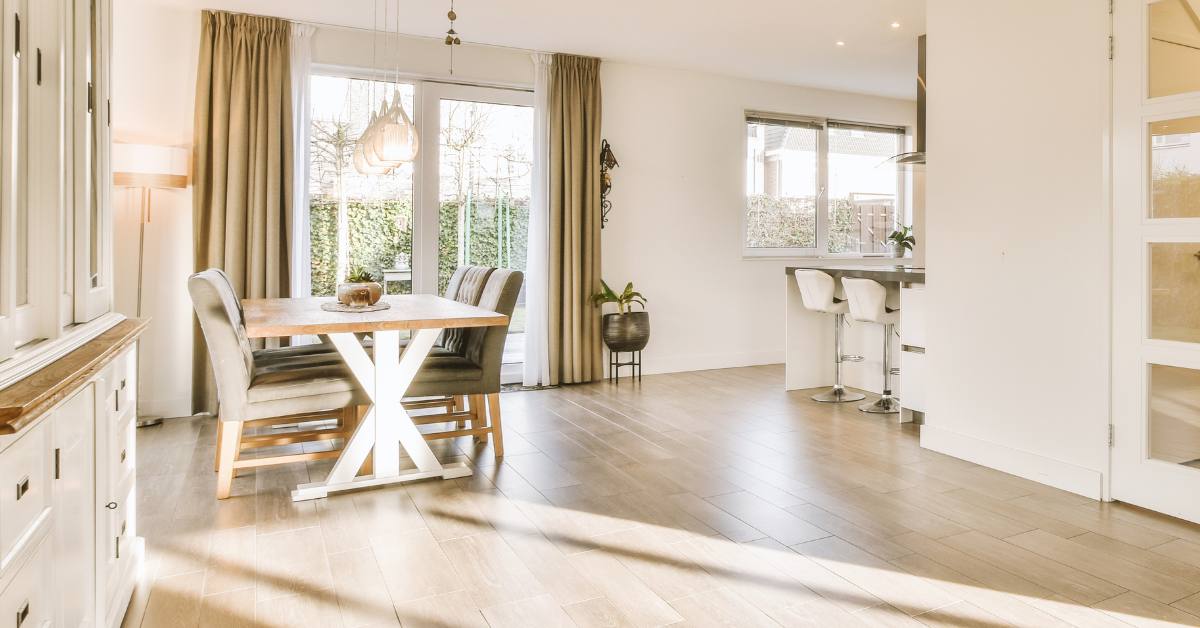
The energy in your home—whether you think of it in terms of feng shui, spiritual beliefs, or just the general vibe and atmosphere— can be affected by certain objects and habits.
Most people don’t realize there are things you should never bring into your home if you want to maintain a healthy environment and support mindful living.
We spend a large part of our lives inside our homes. It’s where we rest, recharge, and try to create a healthy environment.
But modern homes are often filled with products that release synthetic fragrances, hidden chemicals, or tiny pollutants that build up in the air and on surfaces over time.
Many of these items are completely normal and widely used, which is why most people never question them.
Once you become aware of them, though, it becomes much easier to make small changes that support a healthier, calmer living space.
What Are Common Things You Should Avoid Bringing Into Your Home?
These are everyday things you should avoid bringing into your home to maintain a calm and healthy environment.
Air Products to Avoid for a Healthy Environment
- Plug-in air fresheners
They continuously release synthetic fragrance chemicals like Phthalates into the air, which can affect indoor air quality. - Aerosol air freshener sprays
These sprays can release airborne pollutants such as Benzene when used indoors. - Scented candles made from paraffin
Paraffin candles can produce soot and petroleum-based fumes when burned. - Scented wax melts
Many wax melts contain artificial fragrance blends that release chemicals into the air when heated. - Reed diffusers with synthetic fragrance oils
These products constantly evaporate fragrance chemicals into the air for long periods.
Cleaning Products to Reconsider for Mindful Living
- Strong chemical cleaning sprays
Some cleaning sprays release Volatile Organic Compounds that may irritate the lungs and eyes. - Antibacterial soaps with unnecessary chemicals
Many contain antibacterial agents that can disrupt beneficial bacteria and are often unnecessary for everyday cleaning. - Fabric softeners
Fabric softeners leave chemical residues on clothes that can irritate skin and release fragrance chemicals. - Dryer sheets
Dryer sheets coat fabrics with synthetic fragrance and chemical softeners that linger on clothing. - Highly scented laundry detergent
Strongly fragranced detergents can leave chemical scents on fabrics that continue releasing into the air.
Plastics and Kitchen Items You Should Avoid
- Plastic food containers used for heating food
Heating plastic containers can cause chemicals to migrate into food. - Cheap plastic water bottles
Low-quality plastics can slowly release chemical compounds, especially when exposed to heat. - Non-stick cookware with damaged coating
Scratched non-stick pans may release particles from the coating into food. - Plastic cutting boards that shed microplastics
Repeated knife use can create tiny plastic particles that mix with food. - Plastic wrap used on hot food
Heat can cause plastic wrap to release chemicals into the food it touches. Some plastics may contain compounds like Bisphenol A, which can migrate into food and drinks.
Some plastics may contain compounds like Bisphenol A.
Furniture and Home Materials
- Pressed wood furniture
Pressed wood often contains glues that release indoor air pollutants over time. - Particle-board cabinets
These materials can slowly release chemical vapors into indoor air. - Foam mattresses with heavy chemical treatments
Some foam mattresses contain flame retardants and other treatments that may release gases. - Cheap synthetic rugs
Low-quality rugs can emit synthetic fibers and chemical odors indoors. - Vinyl flooring
Vinyl materials may release chemicals into the air, especially when new. These materials may release Formaldehyde and other indoor pollutants.
These materials can release Formaldehyde and other indoor pollutants.
Personal Care Products
- Heavily fragranced lotions
Strong fragrances can contain dozens of undisclosed chemical ingredients. - Scented body sprays
These sprays release concentrated fragrance chemicals into the air and onto skin. - Hair sprays with strong propellants
Hair sprays can create fine airborne particles that are easily inhaled. - Nail polish removers with strong solvents
Many contain strong solvents that release harsh fumes indoors. - Synthetic fragrance perfumes
Artificial fragrances often contain complex chemical mixtures that linger in indoor air.
Hidden Indoor Polluters
- Old pillows and mattresses
Over time they collect dust mites, dead skin cells, and allergens. - Damp bath mats or shower curtains
Moist environments can encourage mold growth. - Cheap incense sticks
Burning low-quality incense can release smoke particles and indoor pollutants. - Synthetic air-freshening trash bags
These bags release artificial fragrance chemicals continuously. - Clutter that traps dust and allergens
Large amounts of clutter allow dust and allergens to accumulate more easily. Dust buildup can worsen respiratory conditions such as Asthma and allergies.
Dust buildup can worsen respiratory conditions like Asthma and allergies.
Objects with Negative Associations
31. Broken items — Broken clocks, mirrors, or furniture are often seen as symbols of stagnation or bad luck. A broken mirror in particular is a well-known superstition.
32. Second-hand items with unknown history — Old furniture, antiques, or clothing from unknown sources may carry the “energy” of their previous owners, according to many spiritual traditions.
33. Gifted items given in anger — Objects given during arguments or with resentment attached to them.
Symbols and Imagery
34. Dark or violent artwork — Paintings or imagery depicting suffering, war, or despair can subconsciously affect your mood and the atmosphere of a space.
35. Clutter — Excess stuff, especially things you no longer need or love, is widely considered one of the biggest blockers of positive energy flow (a core principle in feng shui).
Plants and Natural Elements
36. Dried or dead plants — In feng shui, dead or dying plants represent stagnant or declining energy. Fresh, living plants are preferred.
37. Cacti in certain areas — Some traditions caution against placing spiky plants in living or bedroom areas, as their sharp points can create “sharp energy.”
How Can You Create a Healthy Environment at Home?
You don’t need to remove everything at once.
Replacing these items can help support mindful living and create a more peaceful space.
Many people simply follow this rule:
Replace items slowly when they run out or wear out.
Examples:
- switch to glass containers
- choose unscented cleaning products
- use beeswax or soy candles
- open windows regularly
Creating a healthy environment doesn’t mean throwing everything away overnight.
The goal is simply to become more aware of what you bring into your space.
As everyday products run out or wear down, you can start replacing them with simpler, cleaner alternatives.
By being aware of these things you should not bring into your home, you can cultivate a healthy environment that supports mindful living every day.
Your home should support your well-being, not work against it.
Read more:
- Soft Decluttering: A Gentle Way to Reset Your Home Energy
- 25 Shoe Storage Ideas for Entryway to Keep Your Home Clutter-Free
- Eco-Friendly Home Decor Ideas: Make Your Space Stylish and Sustainable