
A beetroot lip balm recipe is an easy way to create your own homemade tinted lip balm using simple plant-based ingredients.
If you’re looking for natural makeup alternatives or want to switch to non-toxic beauty products, making your own lip balm is a fun project that fits perfectly into a simple beauty routine.
Beetroot gives the balm a beautiful rosy tint, while nourishing oils and butters help keep lips feeling smooth and moisturized.
Making your own beauty products also gives you complete control over what you apply to your skin.
Whether you’re trying to reduce synthetic ingredients in your routine, enjoy DIY projects, or simply love natural makeup alternatives, this homemade lip balm is a fun recipe to try.
In this guide, you’ll learn how to make beetroot lip balm, which ingredients work best, tips for getting the perfect tint, how to store it properly, and common mistakes to avoid.
This post contains affiliate links, which means I may receive a small commission, at no cost to you, if you make a purchase through a link. Read the full disclosure here.
Why Make Your Own Beetroot Lip Balm?
More people are exploring DIY natural lip care as part of a cleaner beauty routine.
Making your own lip balm gives you complete control over the ingredients while introducing you to the world of DIY clean beauty and homemade cosmetics.
A DIY lip balm allows you to customize the texture, color, and moisturizing ingredients to suit your preferences.
Unlike many commercial lip products, a homemade version lets you know exactly what’s inside.
Some benefits of making your own beetroot lip balm DIY include:
- Choosing natural ingredients you trust
- Avoiding artificial colorants if you prefer
- Customizing the color intensity
- Creating a moisturizing balm for everyday use
- Making an inexpensive beauty product at home
- Reducing unnecessary packaging waste
While homemade lip balm won’t last as long as commercially preserved cosmetics, it’s a satisfying project for anyone interested in DIY beauty recipes and homemade skincare.
Why Beetroot Works So Well as a Natural Lip Tint
The star ingredient in this recipe is beetroot powder.
Beetroot contains natural pigments called betalains, particularly betanin, which give the vegetable its rich red-purple color. These pigments can provide a soft pink or berry-colored tint when used in homemade cosmetics.
It’s important to understand that beetroot is included primarily for its natural color rather than proven skincare benefits.
Although beetroot contains antioxidants when eaten, there is limited scientific evidence showing significant cosmetic benefits from applying it topically in homemade lip products.
This makes beetroot an excellent choice if your goal is a naturally tinted lip balm with a fresh, rosy appearance.
Ingredients You’ll Need
This recipe creates a soft balm that can be stored in a small cosmetic jar.
Ingredients
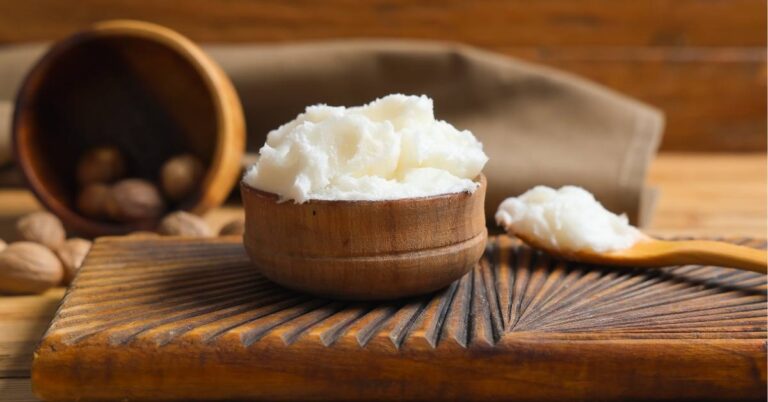
- 2 tablespoons shea butter
- 1 tablespoon cocoa butter
- 1 tablespoon coconut oil
- 1 teaspoon sweet almond oil
- 1–2 teaspoons beetroot powder
- 2–3 drops vitamin E oil (optional)
This recipe creates a soft lip balm without beeswax, making it an excellent choice for anyone looking for a vegan lip balm recipe or a completely plant-based lip balm.
Optional additions
Depending on your preferences, you can also add:
- Mango butter for an even creamier texture
- Jojoba oil instead of almond oil
- A tiny amount of vegetable glycerin for extra softness (use sparingly)
- A drop of vanilla extract made for cosmetic use if desired
Avoid adding water, fresh beetroot juice, or fresh fruit puree. These introduce moisture that greatly shortens shelf life and increases the risk of spoilage.
How to Make Beetroot Lip Balm
Learning how to make beetroot lip balm is easier than you might think.
Step 1: Melt the butters
Place the shea butter, cocoa butter, and coconut oil into a heat-safe bowl.
Set the bowl over a saucepan containing gently simmering water, creating a simple double boiler.
Stir until everything has completely melted.
Step 2: Remove from heat
Once fully melted, remove the bowl from the heat and allow it to cool slightly for a minute or two.
Step 3: Add the oils
Stir in the sweet almond oil and vitamin E oil.
These ingredients help create a smoother texture while adding extra moisture.
Step 4: Add the beetroot powder
Gradually whisk in the beetroot powder.
Mix thoroughly until the powder is evenly distributed throughout the mixture.
If you’d like a deeper tint, add a little more powder until you reach your desired shade.
Step 5: Pour into containers
Transfer the mixture into small sterilized lip balm jars or lip balm containers.
Allow it to cool completely at room temperature before placing the lid on.
After several hours, the balm will develop a smooth, creamy consistency.
This moisturizing lip balm recipe combines rich plant butters with nourishing oils to help keep lips soft while adding a subtle rosy tint.
How to Customize Your Lip Balm Tint
One of the biggest advantages of homemade cosmetics is that you can personalize them.
Here are a few ways to customize your lip balm.
For a lighter tint
Use only one teaspoon of beetroot powder.
This creates a subtle wash of pink that’s perfect for everyday wear.
For a richer berry color
Increase the beetroot powder slightly until you reach the desired intensity.
Keep in mind that adding too much powder may make the balm feel grainy.
For extra moisture
Increase the almond oil slightly.
If your lips become dry easily, you may also prefer adding more shea butter.
For a firmer balm
Increase the cocoa butter.
Cocoa butter naturally hardens the finished product more than coconut oil alone.
How to Apply Your Homemade Tinted Lip Balm
Using a tinted lip balm is simple.
Start with clean, dry lips.
Use a clean fingertip or a lip brush to apply a small amount.
Layer gradually until you achieve your preferred level of color.
Because the tint is naturally subtle, several light applications usually produce the best-looking finish.
You can also dab a tiny amount onto your cheeks and blend quickly with clean fingertips for a soft flush of color.
Storage Tips and Shelf Life
Since this recipe contains no synthetic preservatives, proper storage is important.
For the best quality:
- Store in a cool, dry place.
- Keep the lid tightly closed.
- Avoid introducing water into the container.
- Use clean fingers or a cosmetic spatula.
- Keep away from direct sunlight.
Most oil-based homemade lip balms stay fresh for approximately 3 to 6 months, depending on the freshness of the ingredients and storage conditions.
Discard the balm if you notice:
- An unpleasant or rancid smell
- Mold
- Separation that won’t remix
- A significant change in texture or color
Common Mistakes to Avoid
Even simple DIY lip balm recipes can have a few challenges.
Using fresh beetroot juice
Fresh juice contains water, which encourages bacterial and mold growth.
Beetroot powder is a much safer option for homemade cosmetics.
Adding too much beetroot powder
Too much pigment can make the balm gritty.
Add it gradually and mix well.
Overheating the ingredients
High temperatures may affect the texture of the natural butters and oils.
Gentle heat works best.
Skipping a patch test
Natural ingredients can still cause allergic reactions in some people.
Always perform a patch test before using a new homemade skincare or makeup product.
Making large batches
Because homemade products have a shorter shelf life, prepare smaller batches that you’ll use within a few months.
Why Homemade Lip Balm Is a Great Natural Makeup Alternative
If you’re interested in simplifying your beauty routine, homemade products can be a rewarding place to start.
A beetroot lip balm recipe offers several advantages:
- Simple ingredients
- Customizable color
- Gentle everyday hydration
- Budget-friendly
- Beginner-friendly
- A fun introduction to homemade skincare and makeup
While homemade lip balm won’t completely replace every commercial cosmetic, it can become a favorite for days when you want a natural, fresh look with minimal effort.
Sometimes, the simplest beauty routines are the ones we enjoy using most.
Why Choose a Lip Balm Without Beeswax?
Many traditional lip balm recipes rely on beeswax to create a firm texture.
This recipe uses rich plant butters instead, making it a great lip balm without beeswax for anyone following a vegan lifestyle or simply preferring plant-derived ingredients.
While the finished product is softer than a stick lip balm, it still provides excellent moisture and a natural tint.
If you’re searching for a vegan lip balm recipe or a plant-based lip balm, this version is easy to make and beginner-friendly.
Final Thoughts
Making your own beetroot lip balm DIY is an enjoyable project that combines creativity with simple, natural ingredients.
With nourishing butters, plant-based oils, and the beautiful rosy color of beetroot powder, you can create a moisturizing lip balm tint that’s easy to customize and perfect for everyday use.
If you’re new to DIY beauty for beginners, this is one of the easiest projects to start with.
Once you’ve mastered this recipe, you can explore more DIY makeup recipes, experiment with different natural pigments, and build your own collection of easy DIY cosmetics.
Frequently Asked Questions
Can I use fresh beetroot instead of beetroot powder?
It’s not recommended. Fresh beetroot juice contains water, which significantly shortens the shelf life of homemade cosmetics and increases the chance of spoilage. Beetroot powder is a better choice because it provides concentrated color without adding moisture.
How long does homemade beetroot lip balm last?
When stored in a clean, airtight container in a cool, dry place, this homemade lip balm typically lasts 3 to 6 months. Discard it if you notice mold, an unpleasant smell, or changes in texture.
Can I make this recipe vegan?
Yes. This recipe is naturally vegan as long as you choose plant-based ingredients and avoid adding beeswax or other animal-derived ingredients. The result is a soft, jar-style tinted lip balm that moisturizes while adding a subtle natural color.
Read also:
- Castor Oil Uses for a Simple, Natural Wellness Routine at Home
- How to Use Coconut Oil in Your Sensitive Skincare Routine
- DIY Air Freshener: An Easy Way to Make Your Home Smell Fresh Naturally