
Is your scalp oily, or does your hair feel heavy from product buildup?
The right scalp care routine can help you get rid of excess oil and keep your scalp feeling fresh.
You don’t need complicated treatments to care for your scalp. In this guide, you’ll discover four simple recipes using kaolin, rhassoul, and bentonite clay, plus a gentle oat-based option.
Each uses a different base, so you can explore which one best suits your scalp.
This post contains affiliate links, which means I may receive a small commission, at no cost to you, if you make a purchase through a link. Read the full disclosure here.
Why Scalp Care Matters
Your scalp is the skin from which your hair grows. Just like the skin on the rest of your body, it needs gentle care and regular cleansing.
Good scalp care starts with removing excess oil, sweat, dead skin cells, and product residue. When these substances build up, your hair may feel greasy or heavy, and your scalp may feel less fresh.
Healthy habits also matter.
Avoid scratching your scalp, use products that suit your skin, and pay attention to signs of dryness or irritation.
3 Types of Clay for Natural Hair Care
These four recipes use kaolin, rhassoul, bentonite, and oats as their bases. The clay recipes are intended to absorb excess surface oil and help remove residue, while the oat recipe is a gentler option for a simple scalp-care routine.
A note about the ingredients: Rosemary, thyme, sage, and mint essential oils are used in traditional hair care, but they have not been proven to detoxify the scalp or unblock hair follicles. Cinnamon powder is not a proven scalp detox ingredient and may irritate the skin. Because essential oils can cause irritation, I would not automatically add one drop of each to every recipe without knowing the exact oils and the final mixture size.
1: Kaolin Clay Scalp Paste for Normal to Slightly Oily Scalp
Best for: mild surface oil and a simple cleansing routine.
Ingredients
- 1 tablespoon cosmetic-grade kaolin clay
- 1–2 tablespoons water, added gradually
Instructions
- Place the kaolin clay in a clean glass or ceramic bowl.
- Add water slowly and mix until you have a smooth, spreadable paste.
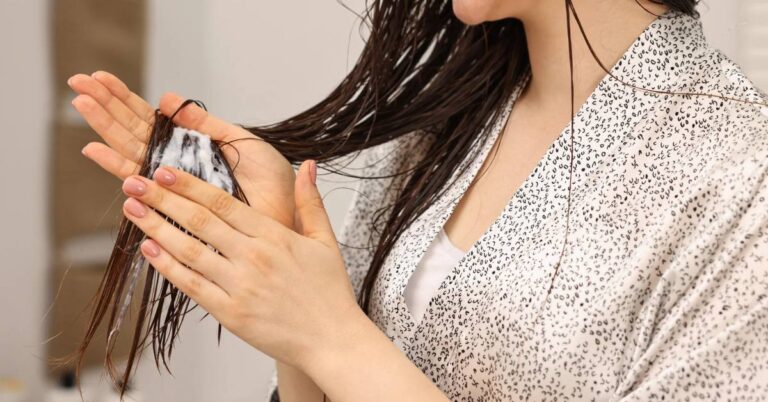
- Apply a thin layer to the scalp without rubbing or scrubbing.
- Leave it on briefly, following the clay supplier’s directions.
- Rinse thoroughly before the paste dries completely.
2: Rhassoul Clay Scalp Paste for Oily Scalp
Best for: excess surface oil and styling-product residue.
Ingredients
- 1 tablespoon cosmetic-grade rhassoul clay
- 1–2 tablespoons water
Instructions
- Add the rhassoul clay to a clean bowl.
- Mix in the water gradually until the paste is smooth.
- Spread a thin layer over the scalp.
- Leave it on briefly and do not allow it to become hard and cracked.
- Rinse thoroughly. Shampoo afterward if residue remains.
3: Bentonite Clay Scalp Paste for Very Oily Scalp
Best for: people whose scalp tolerates more absorbent clay.
Ingredients
- 1 tablespoon cosmetic-grade bentonite clay
- 1–2 tablespoons water
Instructions
- Place the bentonite clay in a clean bowl.
- Add water a little at a time, mixing until a smooth paste forms.
- Apply gently to the scalp, avoiding vigorous massage.
- Keep the application brief and do not let the paste dry completely.
- Rinse very thoroughly.
Bentonite is highly absorbent and may leave the scalp or hair feeling dry. Stop using it if you notice tightness, redness, itching, or irritation.
Essential oils: Do not add all four essential oils directly to this mixture. A properly formulated scalp product is a safer way to use them. Rosemary, thyme, sage, and mint oils are not proven to detoxify the scalp or unblock follicles.
4: Oat Paste for a Gentle Scalp-Care Routine
Best for: a simple, non-abrasive alternative when you want to avoid clay.
Ingredients
- 1 tablespoon finely ground plain oats
- 1–2 tablespoons lukewarm water
Instructions
- Grind plain oats into a fine powder if needed.
- Mix with lukewarm water until you have a soft paste.
- Apply gently to the scalp without scrubbing.
- Leave it on briefly.
- Rinse thoroughly so no oat residue remains in the hair.
After cleansing your scalp, you can explore herbal hair rinses as an additional step in your natural hair care routine.
Depending on the ingredients, herbal rinses can complement your regular hair-washing routine and add a little variety to your hair care.
How Often Should You Use a Clay Treatment?
There is no scientifically established frequency for using clay on the scalp.
Your needs depend on how oily your scalp is, the products you use, and how your skin responds.
For many people, regular shampooing is sufficient to maintain a clean scalp. A clay treatment is an optional extra, not a necessary step.
If you decide to try one, begin cautiously and stop if you notice tightness, itching, redness, or increased flaking. Avoid applying clay to broken or inflamed skin.
If you have persistent dandruff, scalp pain, severe itching, or unexplained hair loss, seek advice from a qualified healthcare professional or dermatologist rather than relying on a detox paste.
Natural Scalp Care: What Really Helps?
The goal of scalp care is to keep the skin comfortable and clean, not to remove imaginary toxins or scrub the follicles open.
These simple habits can support everyday scalp health:
- Wash regularly. Choose a washing frequency that suits your scalp and hair type.
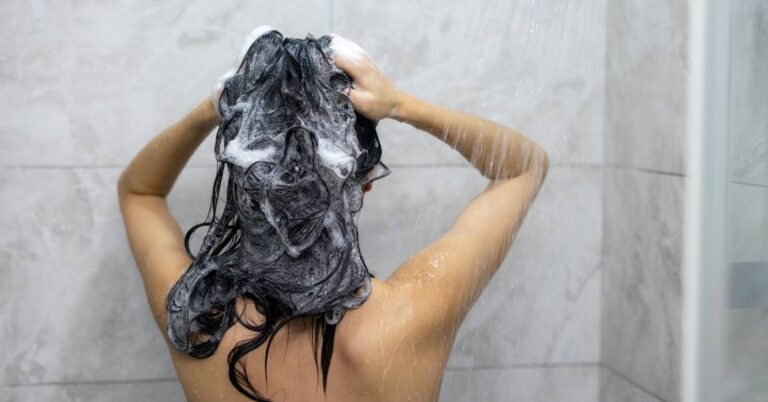
- Focus shampoo on the scalp. Gently massage with your fingertips rather than scratching with your nails.
- Remove product residue. If styling products build up, consider an appropriate clarifying shampoo.
- Avoid harsh ingredients. Baking soda, undiluted vinegar, lemon juice, and irritating essential oils can cause problems for some people.
- Watch for changes. Persistent itching, redness, or flaking may need targeted treatment.
A clay treatment may help absorb excess oil, but it cannot replace these basic habits.
Final Thoughts
Scalp detox is an important part of hair care for people who struggle with excess oil and product buildup.
Keeping your scalp clean can help it feel fresh and comfortable, but the right approach matters.
These four recipes offer different options to explore, from clay-based pastes to a simple oat mixture. Choose the one that best suits your scalp, use it gently, and pay attention to how your skin responds.
For an extra step in your routine, you can also try homemade herbal hair rinses to complement your regular hair care.
Remember, healthy hair care starts with a clean, well-cared-for scalp.

Read more on hair care: