

If you’re looking for simple ways to reduce stress naturally, improve your energy levels, and feel more balanced throughout the day, these daily habits can help.
Small changes practiced consistently often have the biggest impact on stress management and emotional wellbeing.
Instead of ignoring the stress, overwhelm, or fatigue, you’re choosing to listen to what your body and emotions are trying to tell you.
Do you want to feel a little lighter, calmer, and more in control?
Incorporate a daily routine that requires only a few minutes to reduce stress, enhance mental health, enhance your energy level and overall well-being.
This post contains affiliate links, which means I may receive a small commission, at no cost to you, if you make a purchase through a link. Read the full disclosure here.
Habits to Melt Away Stress and Boost Energy
Don’t let your stress get out of control.
Try one of these healthy habits; they’ll banish stress from your life and help you find the balance you need.
1. Start Your Day with Mindful Breathing
Mindful breathing helps activate the parasympathetic nervous system, reducing cortisol levels (your body’s stress hormone). Studies show it also improves focus and mental clarity.
How to do it:
- As soon as you wake up, spend 5 minutes on deep breathing.
- Inhale through your nose for 4 seconds, hold for 4 seconds, and exhale slowly through your mouth for 6 seconds.
- Repeat this rhythm for 5 minutes while focusing on the rise and fall of your chest.
Use a guided breathing app like Calm or Headspace to make this practice effortless. Alternatively, you can find many resources on YouTube—just explore until you find one that resonates with you.
2. Take Short, Consistent Movement Breaks
Physical activity, even in short bursts, helps release endorphins (feel-good hormones), improve blood circulation, and alleviate muscle tension caused by stress.
How to do it:
- Set a timer to take a 5-minute movement break every hour.
- Stretch, walk around, or do quick exercises like squats, lunges, or jumping jacks.
- Incorporate activities like desk yoga to improve posture and reduce stiffness.
Try the “Pomodoro Technique” – 25 minutes of focused work followed by a 5-minute physical break.
3. Practice Gratitude Journaling

Research shows that practicing gratitude regularly improves mental well-being by developing positive emotions and otherwise helping to manage anxiety and stress.
Practicing gratitude also leads to improved physical health because it encourages healthy behaviors such as self-care, plus it helps us have restful and quality sleep.
Practicing gratitude strengthens social relationships by stimulating empathy and reducing aggression, making people enhance their current relationships and develop new and quality ones.
Overall, research suggests that gratitude can improve emotional wellbeing, relationships, sleep quality, and overall life satisfaction.
How to do it:
- Every evening, write down 3 things you’re grateful for that day.
- Be specific. Instead of writing “family,” try “I enjoyed a warm dinner with my family today.”
- Reflect on why each point matters to you.
Use a dedicated journal or apps like Day One or Reflect and Refocus, my Journal for gratitude, to stay consistent.

4. Set Boundaries with Technology
Excessive screen time and notifications can overwhelm your mind, fuel anxiety, and disrupt sleep.
Digital boundaries help reduce mental clutter and promote balance.
How to do it:
- Schedule a digital detox hour daily (e.g., no screens after 8 PM).
- Use “Do Not Disturb” mode during meals, family time, and personal relaxation.
- Avoid scrolling social media or checking emails first thing in the morning.
Try using apps like Freedom or Forest to block distractions and limit screen time.
5. Spend Time in Nature
Exposure to green spaces has been scientifically proven to reduce stress, lower heart rate, and improve mental clarity. Nature therapy, or “eco-therapy,” helps us reconnect with the present moment.
How to do it:
- Spend 20-30 minutes outside each day. This could include walking in a park, gardening, or simply sitting on a bench.
- Focus on sensory experiences: listen to birds, feel the breeze, or observe trees and flowers.
If for solid reasons you can’t step outside, use nature sounds or visuals to simulate a calming environment indoors.
6. Prioritize Quality Sleep
Quality sleep is essential for the brain and body to recover from stress.
Poor sleep increases irritability, impacts focus, and disrupts emotional regulation.
How to do it:
- Stick to a consistent sleep schedule by going to bed and waking up at the same time every day.
- Develop a calming bedtime routine: dim the lights, read a book, or take a warm bath.
- Avoid caffeine, alcohol, and screens at least an hour before bedtime.
Use white noise machines or apps to create a relaxing sleep environment.
7. Connect with Loved Ones
Strong social connections are a key buffer against stress. Positive relationships provide emotional support, improve mood, and strengthen our sense of belonging.
How to do it:
- Schedule regular phone calls, video chats, or meet-ups with friends or family.
- Spend quality time without distractions—fully engage in conversation.
- Don’t hesitate to share your feelings and ask for support when needed.
Join local community groups or clubs with shared interests to expand your support network.
The Power of Consistency

During a period of burnout, I realized stress wasn’t caused by one major problem. It was the accumulation of small daily habits.
Once I started focusing on breathing, movement, sleep, and boundaries, I noticed significant improvements in my energy and emotional wellbeing.
While stress can feel unavoidable, these simple habits can help you take control of your well-being. The key is consistency.
Start small, focus on progress over perfection, and gradually build these habits into your daily life.
Combine multiple habits for maximum benefit. For example:
- Start your day with mindful breathing.
- Take movement breaks during work.
- End the day with gratitude journaling.
Reducing stress isn’t about eliminating challenges but strengthening how you respond to them.
Implementing these easy habits can create a ripple effect that improves not only your mental and emotional health but also your overall quality of life.
Reducing stress helps you feel more present, productive, and fulfilled every day.
Read also: The 54321 Method: A Simple Grounding Technique to Reduce Stress
Start with just one habit this week.
Whether it’s mindful breathing or setting boundaries with technology, small steps lead to big results.
Over time, these habits will become second nature, and you’ll find yourself managing stress with greater ease.
Let go of stress and embrace stillness.
Try these calming and grounding habits to bring clarity back into your day, one easy ritual at a time.
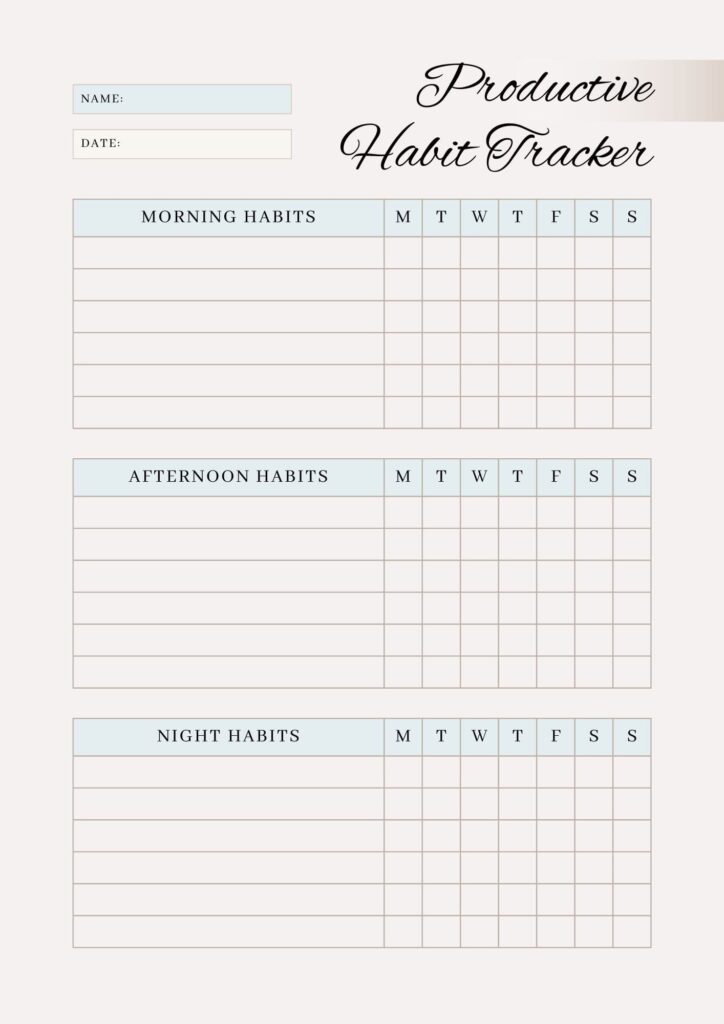
Feeling overwhelmed lately?
Download my FREE Habit Tracker to build healthy routines, reduce stress, and stay consistent with habits that support your wellbeing.
Start with one small habit today.
Frequently Asked Questions
What habits reduce stress the most?
Deep breathing, exercise, quality sleep, gratitude journaling, and spending time in nature are among the most effective stress-management habits.
How can I reduce stress naturally?
You can reduce stress naturally through healthy habits such as regular movement, mindfulness practices, strong social connections, and good sleep hygiene.
Can stress cause low energy?
Yes. Chronic stress can affect sleep, concentration, and motivation, often leading to mental and physical fatigue.
Looking for more guided reflection?
Journaling can help reduce stress, process emotions, and create greater self-awareness. Explore my collection of journals designed to support personal growth and emotional wellbeing.

Read more: