
Feeling mentally cluttered or stressed?
Are you in need of clarity, planning, or a mental “reset”?
Journaling is a powerful tool for mental clarity and healing.
You do not need perfect words.
You do not need special skills.
You only need a quiet moment and honesty with yourself.
Journaling is a simple habit that helps you slow down, understand your thoughts, and create more mental clarity.
When your mind feels full, journaling helps you:
- release mental pressure
- understand emotions
- observe patterns
- reconnect with yourself
- make thoughtful decisions
Many people start journaling because they want:
- less overthinking
- more emotional balance
- clearer direction
- a peaceful daily routine
This guide will show you how to start journaling, even if you feel unsure what to write.
This post contains affiliate links, which means I may receive a small commission, at no cost to you, if you make a purchase through a link. Read the full disclosure here.
Why Start Journaling?
Journaling is the practice of writing your thoughts, feelings, ideas, or reflections in a notebook or digital journal.
A self-reflection journal helps you observe your inner world with honesty and curiosity.
Writing creates distance between you and your thoughts.
This distance helps you see situations more clearly.
Journaling for mental clarity can support:
- emotional awareness
- stress reduction
- clearer priorities
- intentional decisions
- personal growth
It is not about writing perfectly.
It is about understanding yourself better.
How to Start Journaling (Simple Step-by-Step Guide)
Starting small helps journaling become a natural habit.
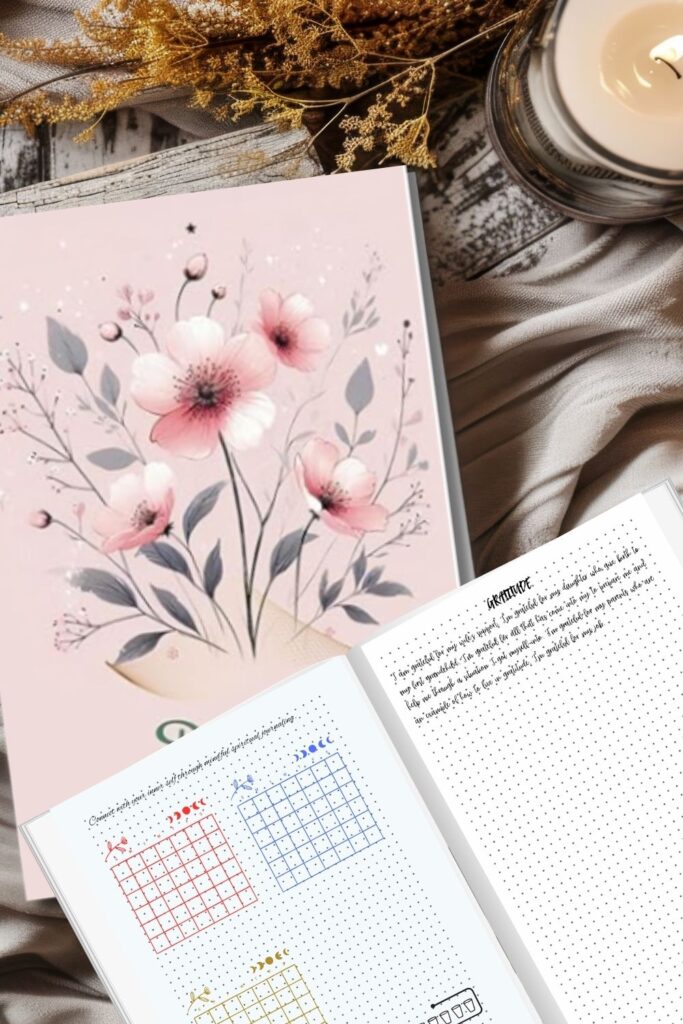
Step 1 – choose a simple journal
Choose a notebook that feels comfortable and inviting.
Your journal can be:
- minimal notebook
- guided journal
- digital document
- notes app
The format does not matter as much as consistency.
Step 2 – create a calm journaling routine
Choose a moment that feels quiet and natural.
Examples:
- morning for mental clarity
- evening for emotional release
- after work to decompress
- before sleep to slow down
What exactly to write about in your journal?
First, you don’t need to write a novel every day to start journaling. Keep it simple and manageable by committing to just 5 minutes of free writing, jotting down a single sentence about your day, or making a short list of things you’re grateful for.
Your journal doesn’t need to be filled with profound insights or lengthy entries—focus on capturing small moments, thoughts, or reflections.
Starting small helps you build the habit gradually, making it feel effortless over time.
Remember, the goal is progress, not a perfect journal entry, so let it flow naturally.

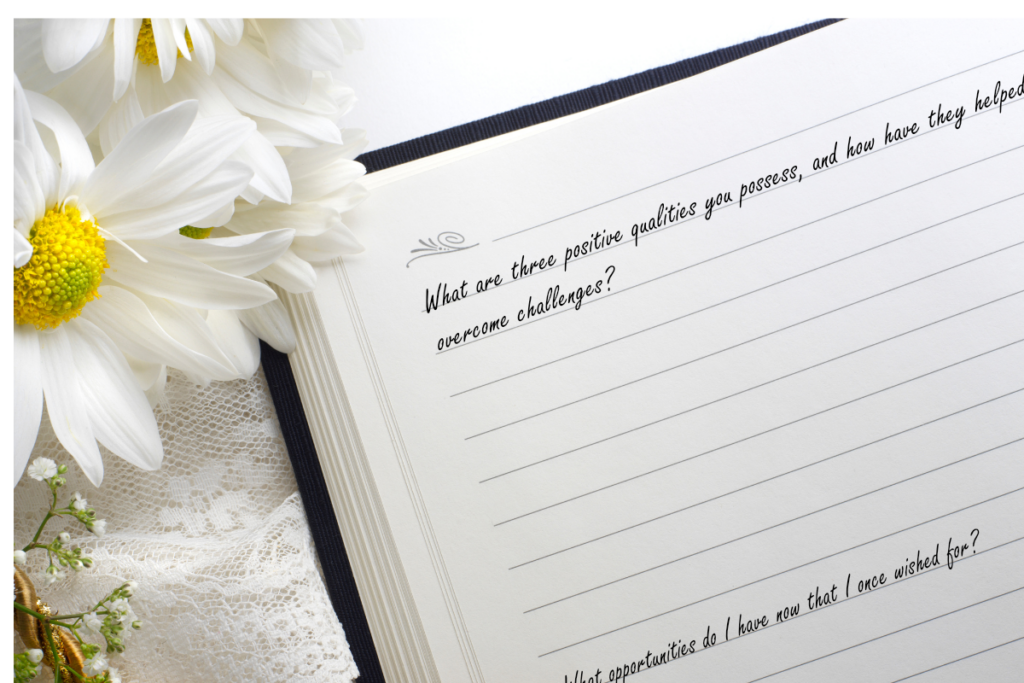
Step 3 – start with simple journaling prompts
Many beginners stop journaling because they do not know what to write.
Using journaling prompts removes pressure.
Examples:
- What are my top 3 goals for the week/month/year?
- What’s one thing I’m proud of today?
- What’s a challenge I’m facing, and how can I overcome it?
- What am I grateful for right now?
Prompts help you explore ideas without feeling stuck.
Step 4 – allow imperfect writing
Your journal is a private space.
You do not need correct grammar or perfect structure.
Write freely.
Honesty creates the most clarity.
If you prefer structure, try:
- Daily Log: write tasks, events, and notes for each day. Use symbols to track progress:
- • Task (✔ = done, → = moved, ✘ = canceled)
- ○ Events
- – Notes or ideas
- Habit Tracker: create a grid to monitor habits like exercise, journaling, or hydration. List habits in rows and days across the top, marking progress daily. This visual tool helps build consistency.
- Gratitude Log: dedicate a section to list 1-3 things you’re thankful for each day. Be specific, like “The hug from my friend” or “A sunny morning.”
Step 5 – observe changes over time
Journaling habits become more powerful with repetition.
With time, you may notice:
- calmer reactions
- clearer thinking
- stronger emotional awareness
- better decisions
- more intentional living
Small reflections create meaningful changes.
6. experiment with formats
Not every journal entry needs to be paragraphs of text.
Mix it up with:
- Lists: Gratitude lists, to-do lists, or top-10 moments of the week.
- Mind Maps: Draw diagrams to brainstorm ideas or explore your feelings.
- Doodles or Sketches: Add some visual flair to your entries.

7. use color and creativity
Bring your journal to life with a splash of color and creative touches. You can use pre-made kits to get started.
Use colored pens, markers, or highlighters to emphasize important points, track progress, or simply make your pages more visually appealing. Add personality with washi tape, stickers, or doodles to decorate the margins or highlight special entries.
Experiment with creative layouts, like themed pages, mood trackers, or fun headers for each section. Not only does this make journaling more enjoyable, but it also encourages you to engage with your journal regularly.
Let your creativity flow—it’s your space to design however you like!

25 Journaling Prompts for Beginners
These journaling ideas are designed to support self reflection and mental clarity.
You can answer one question per day.
Self Reflection Journal Prompts
- what do I feel right now?
- what thoughts repeat in my mind lately?
- what situation is taking most of my energy?
- what do I need more of in my life?
- what do I need less of in my life?
- what helps me feel calm?
- what makes me feel overwhelmed?
- what would make today feel meaningful?
- what is one small step I can take today?
- what am I avoiding?
- what is currently unclear in my life?
- what do I truly want right now?
- what helps me feel emotionally safe?
- what habits improve my mental clarity?
- what habits create stress in my life?
- what do I need to accept?
- what helps me feel balanced?
- what does my mind need today?
- what does my body need today?
- what am I grateful for today?
- what did I learn recently?
- what feels aligned with my values?
- what feels out of alignment?
- what would help me feel more peaceful?
- what does my future self need from me today?
These journaling prompts help you understand your emotional patterns and support intentional change.
Journaling ideas to make journaling easier
If traditional writing feels difficult, try different journaling ideas.
Simple Journaling Ideas
- write one sentence per day
- create short lists
- describe your mood
- track habits
- write gratitude reflections
- write a letter to yourself
- reflect on one question daily
- write about what feels heavy
- write about what feels meaningful
There is no perfect way to journal.
Simple writing is enough.
Keeping Journaling Fun and Non-Boring
If journaling starts to feel like a chore, try these tips:
- Change Locations: Write at a park, coffee shop, or cozy corner of your home.
- Incorporate Themes: Dedicate specific days to themes like “Gratitude Mondays” or “Reflection Fridays.”
- Experiment with Timelines: Write a letter to your future self or reflect on your past year.
Journaling is a flexible, personal practice that grows with you. Whether you’re setting goals, cultivating gratitude, or just exploring your thoughts, it’s a powerful tool for self-discovery and growth.
Journaling habits that support consistency
Building gentle journaling habits helps you continue even when motivation changes.
Helpful journaling habits:
- keep your journal visible
- write at the same time daily
- start with short entries
- remove pressure to write perfectly
- use prompts when feeling blocked
- focus on honesty, not performance
Journaling becomes easier when it feels safe and natural.
Benefits of journaling for mental clarity
Journaling helps organize thoughts that feel confusing or overwhelming.
With time, journaling for mental clarity can support:
- calmer thinking
- improved emotional understanding
- reduced overthinking
- clearer priorities
- intentional choices
- stronger self-awareness
- better problem solving
Writing helps you slow down and observe your inner experience.
Clarity often appears gradually.
Simple journaling routine for beginners
If you want structure, try this simple routine:
- choose a quiet moment
- take a slow breath
- choose one journaling prompt
- write for 5–10 minutes
- close the journal without judgment
Small routines create long-term stability.
Journaling is a gentle practice of listening to yourself.
You do not need special tools or complicated methods.
You only need honesty and consistency.
With time, journaling becomes a supportive habit that helps you:
- understand yourself better
- reduce mental noise
- create emotional balance
- make thoughtful decisions
Your journal can become a quiet space where clarity develops naturally.
Start simple.
One page can be enough.
Journaling is a long-term self-awareness and healing practice.
Pick up a pen (or open an app) and take that first step—you’ll be amazed at what you discover.
Happy journaling!
Read also: