To clean delicate surfaces naturally can be a bit tricky, because what works for ordinary countertops or tubs might damage or dull more sensitive materials.
Here are some guidelines to help you tackle delicate surfaces in a gentle, eco-friendly way:
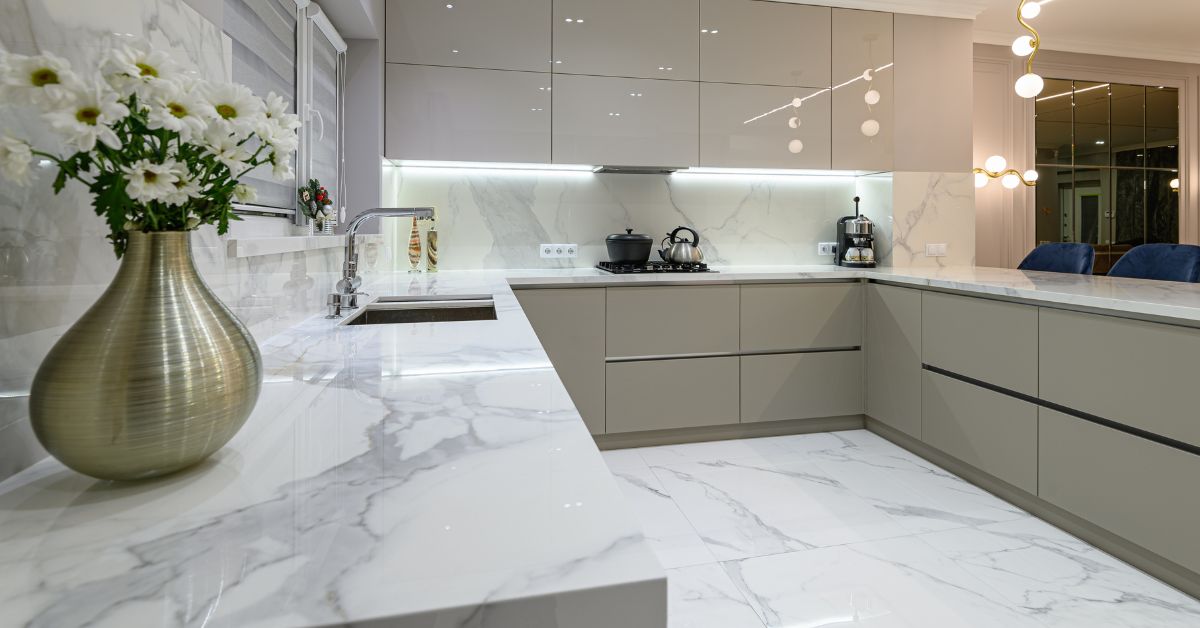
1. Marble and Granite Countertops
Marble and granite are porous and can be etched or discolored by acidic cleaners (like vinegar or lemon juice).
Safe Approach:
- Use a pH-neutral cleaner—diluted castile soap is a great option.
- Mix a few drops of castile soap with warm water in a spray bottle. Lightly spray the surface and wipe with a soft microfiber cloth.
- For stubborn spots, make a paste of baking soda and water. Apply gently, let it sit for a few minutes, and rinse well (Test a small area first to ensure no dulling occurs).
Avoid:
- Undiluted vinegar, lemon juice, and commercial products labeled “stone polish” unless specifically approved for marble/granite.
- Abrasive scrubbers that can scratch or dull the finish.
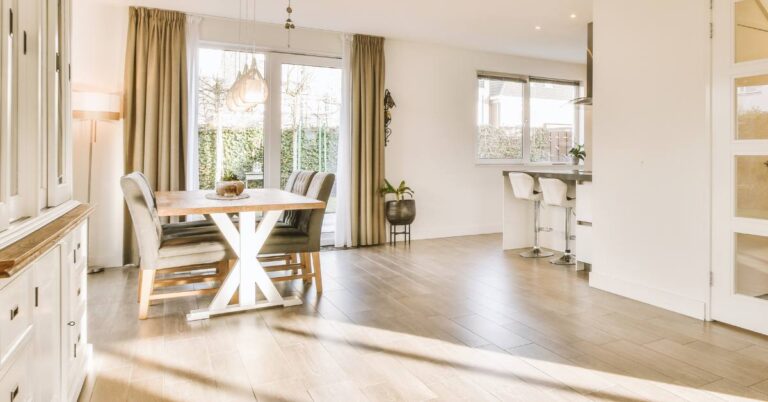
2. Hardwood Floors
Wood floors (especially those with certain finishes or older, untreated wood) can warp or discolor if cleaned with too much water or harsh chemicals.
Safe Approach:
- Light Cleaning: Sweep or vacuum (using a hard floor attachment) to remove dirt and grit that could scratch the surface.
- Mopping Solution: Use a soft mop dampened with a bucket of warm water and a few drops of castile soap (or a mild, wood-safe soap). Wring the mop well to avoid pooling water.
- Spot Treatment: For scuffs or sticky spills, mix a small amount of dish soap with water. Wipe gently, then dry immediately.
Avoid:
- Excess water that can seep into seams and cause swelling.
- Undiluted vinegar or bleach, as these can dull the finish or discolor certain wood types.
3. Silk and Other Fine Fabrics
Natural fibers like silk are easily damaged by high heat, strong detergents, or rough scrubbing.
Safe Approach:
- Spot Clean: Dab stains gently with a mixture of cool water and a mild liquid soap. Use a soft cloth or sponge and blot—don’t rub.
- Handwashing Small Items: Submerge in lukewarm water with a touch of gentle castile or silk-specific soap. Swish gently and rinse thoroughly. Lay flat to dry.
Avoid:
- Hot water, bleach, or vigorous scrubbing that can weaken fibers or cause shrinking.
4. Delicate Metal Fixtures (Brass, Copper, Silver)
Harsh chemicals or abrasive scrubbing can remove protective coatings or cause discoloration.
Safe Approach:
- Brass & Copper: Create a paste of equal parts flour, salt, and vinegar. Gently apply, let sit a few minutes, then rinse and buff dry with a soft cloth.
- Silver: A mild approach involves lining a pan with aluminum foil, adding hot water plus baking soda (1 tablespoon baking soda per cup of water). Submerge the item briefly—tarnish transfers to the foil. Rinse and buff.
Avoid:
- Steel wool or other abrasive pads that can scratch or remove patina.
- Storing metal items damp—always dry thoroughly.
5. Leather and Suede
Both absorb liquids easily and can be stained by most commercial cleaners.
Safe Approach:
- Regular Dusting: Use a soft, dry cloth or brush designed for leather/suede to remove surface dirt.
- Light Spot Cleans (Leather): Mix a few drops of mild soap with water. Dip a soft cloth, wring out well, gently wipe, and dry immediately. Condition with a natural leather conditioner (like beeswax balm) afterward.
Avoid:
- Soaking leather or suede, which can warp or cause stains.
- Direct heat sources (like hair dryers or radiators) that dry out and crack the material.
6. Porcelain and Fine China
Decorative glazes, hand-painted designs, or fine bone china can chip or fade with aggressive scrubbing or strong chemicals.
Safe Approach:
- Handwash with warm water and a gentle, pH-neutral soap (castile or mild dish soap).
- Use a soft sponge or cloth; avoid scrubbing pads.
- Rinse thoroughly and air-dry or pat dry with a lint-free towel.
Avoid:
- Abrasive cleaners, bleach, or soaking porcelain for extended periods (especially if it has metallic trim).
- Rapid temperature changes—going from hot wash to cold rinse can cause cracks.
General Tips and Final Thoughts
If you’re unsure, test your method on an inconspicuous spot to see how the surface reacts.
Use gentle tools like soft microfiber cloths, sponges, and non-scratch brushes are your best friends for delicate surfaces.
Mind the Drying Process: Many delicate materials, from leather to wood, need to be dried promptly to avoid watermarks or swelling.
Go Easy on Acids and Abrasives: Vinegar, lemon juice, and baking soda can still be used on delicate surfaces—but only if well-diluted and with caution.
Gentle, frequent upkeep prevents buildup, which in turn reduces your need for harsh or heavy-duty methods later.
By using mild, natural ingredients—paired with a soft touch—you can effectively maintain delicate surfaces without risking damage or resorting to chemical-laden products. In the long run, you’ll enjoy a beautiful, well-preserved home environment and the peace of mind that comes from making greener, healthier choices.
Read more: